
Firearms technology continues evolving despite centuries of fundamental design maturity. Emerging technologies promise to enhance safety, reliability, and performance. From advanced materials to smart firearm systems, innovation is transforming what’s possible. Understanding these emerging technologies and their implications helps shooters and industry participants anticipate future developments.
Smart Firearms and Authentication Systems
What they are: Smart firearms integrate electronic authentication systems preventing unauthorized use. Fingerprint recognition, radio frequency identification (RFID), or PIN-based systems authenticate authorized users before firing.
Benefits: Reduce unauthorized access, particularly in law enforcement and tactical contexts. Accidental discharge prevention in households with children. Stolen firearm recovery through GPS integration.
Current challenges: Reliability concerns in extreme conditions. Battery dependency creates operational concerns in field situations. Cost adds significantly to firearm price. User acceptance remains limited outside law enforcement.
Future direction: As technology matures and costs decrease, smart systems may become standard in civilian and law enforcement contexts. Reliability improvements addressing failure concerns are ongoing.
Advanced Materials and Composites
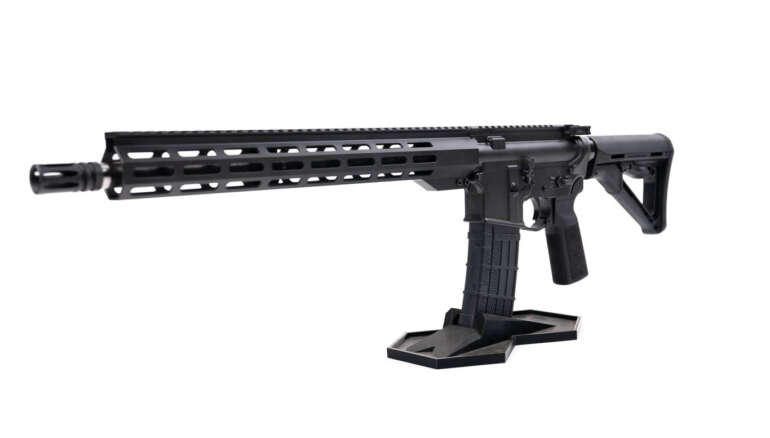
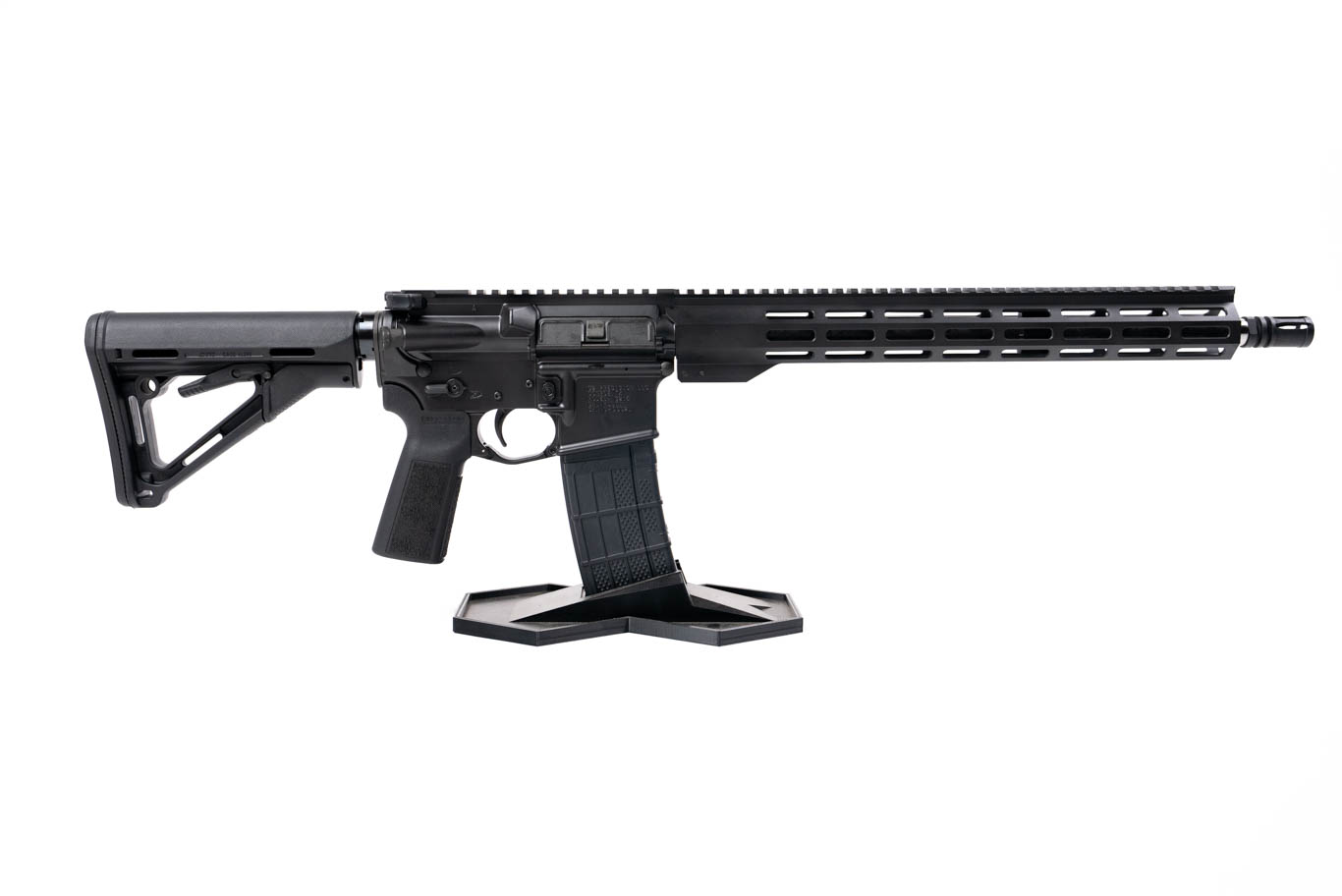
Carbon fiber and polymers: Modern advanced polymers and carbon fiber composites reduce weight while maintaining strength. Stocks, handguards, and receivers increasingly use advanced composites, reducing total rifle weight without sacrificing durability.
Benefits: Dramatically lighter rifles enable extended shooting sessions and rapid deployment with reduced shooter fatigue. Complex geometries impossible with traditional manufacturing become feasible.
Limitations: Cost of composite manufacturing exceeds traditional machining. Heat resistance of composites is inferior to metal, limiting applications. Temperature stability differs from traditional materials.
Future potential: As manufacturing scales up, composite costs will decrease. Materials science improvements addressing heat and temperature stability will expand applications.
Powder and Propellant Innovation
Emerging powder formulations: New powder compositions optimize specific performance goals: reduced temperature sensitivity, reduced copper fouling, enhanced velocity consistency.
Environmentally friendly ammunition: Lead-free bullets and non-toxic primers address environmental concerns. Performance now matches traditional ammunition, making lead-free viable for competitive and tactical applications.
Benefit: Specialized powders enable rifle optimization for specific applications. Precision shooters can select powders optimized for match performance. Hunters can choose powders optimized for reliability in field conditions.
Additive Manufacturing and 3D Printing
Current applications: Titanium and steel 3D printing produces complex internal components impossible through conventional machining. Receivers, bolt carriers, and accessories have been successfully produced through additive manufacturing.
Advantages: Complex geometries enable innovative designs. Internal structures optimize strength while minimizing weight. Rapid prototyping accelerates product development.
Limitations: Material properties of 3D-printed components differ from traditional manufacturing. Surface finishing and post-processing requirements add cost. Regulatory frameworks are evolving, creating uncertainty.
Future potential: As 3D printing technology matures, more critical components may be produced through additive manufacturing. Hybrid approaches combining 3D printing with traditional machining may become standard.
Ballistic Optimization and Ammunition Design
Advanced bullet designs: Monolithic copper bullets, advanced polymers, and specialized aerodynamic designs continuously improve ballistic performance. Velocity retention improves. Accuracy advances. Stopping power optimizations continue.
Custom ammunition: Increasing availability of custom ammunition optimized for specific rifles enables precision match ammunition. Shooters can obtain ammunition specifically optimized for their specific rifle’s characteristics.
Benefit: Ammunition optimization unlocks rifle accuracy potential through perfect ammunition-rifle matching.
Ergonomic and Control Innovation
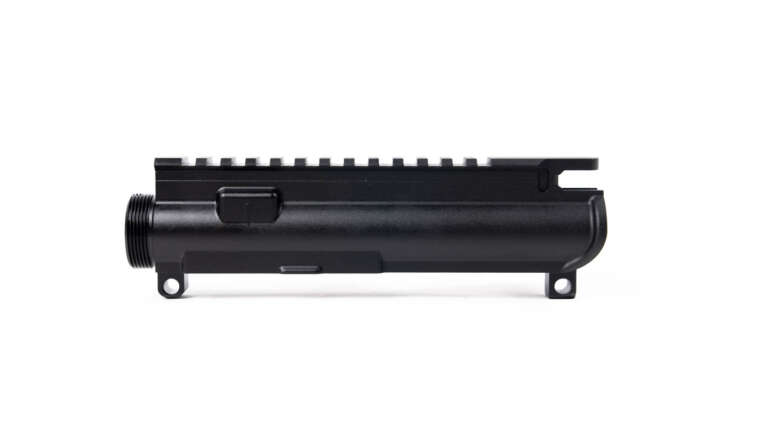
Modular control systems: Rifles increasingly feature tool-free modular components enabling rapid configuration changes. Stocks, handguards, upper receivers can be swapped without tools in seconds.
Benefit: Single rifle accommodates multiple mission profiles through rapid reconfiguration. Tactical flexibility increases dramatically.
Examples: Quick-change barrels, tool-free stock systems, modular upper receivers.
Optics and Sight Technology
Integrated display systems: Holographic displays and heads-up display technology are being integrated into rifles and optics. Real-time ballistic calculations, target information, and environmental data could be displayed directly in the shooter’s field of view.
Smart optics: Optics incorporating ballistic computers automatically adjust for range, wind, and environmental conditions. AI-assisted targeting becomes possible.
Current state: Most of this technology remains experimental or very expensive prototype systems.
Future implications: As technology matures and costs decrease, smart optics may transform accuracy potential by automating adjustment calculations.
Manufacturing Automation and Precision
CNC and robotic manufacturing: Increasing automation in manufacturing improves precision and consistency while reducing labor costs. Components are produced to tighter tolerances with more consistency.
Benefit: Higher quality components at lower cost eventually. Consistency enables better interchangeability.
Modular Platform Evolution
Universal compatibility standards: Industry movements toward universal mounting standards and modular systems will likely accelerate. Components from different manufacturers becoming seamlessly compatible would revolutionize customization.
Challenge: Manufacturers have historically guarded proprietary designs. Universal standardization requires industry consensus and cooperation.
Safety Innovations
Mechanical safety advances: Improved safety lever designs reduce accidental engagement. Tactile feedback improves user confirmation of safety status.
Drop safety systems: Advanced drop safety designs prevent inadvertent discharge from drops or impacts without complexity or unreliability.
Challenges and Barriers to Innovation
Regulatory environment: Firearms regulations create uncertainty and compliance requirements stifling some innovation. New technology regulatory classification is often unclear.
Industry conservatism: Shooters often prefer proven designs over unproven innovations. Adoption of new technology is often slow.
Cost considerations: Innovative technologies often cost substantially more than traditional components. Cost barriers prevent adoption.
The Role of Veterans and Private Companies
SOF veteran-founded companies like G2 Precision Firearms are at the forefront of innovation, implementing emerging technologies into practical firearm designs. Veteran companies often embrace innovation more readily than established traditional manufacturers, accelerating technology adoption.
Conclusion: An Evolving Future
Firearms technology continues evolving despite mature fundamental designs. Smart systems, advanced materials, and innovative manufacturing transform what’s possible. While some innovations face adoption barriers, others will become standard. The next decade will see meaningful innovation in materials, manufacturing, ergonomics, and electronics. Remaining engaged with emerging technology enables informed equipment selection and understanding of future developments. The future of firearms is exciting, driven by innovation and problem-solving orientation characteristic of the industry’s most forward-thinking manufacturers.