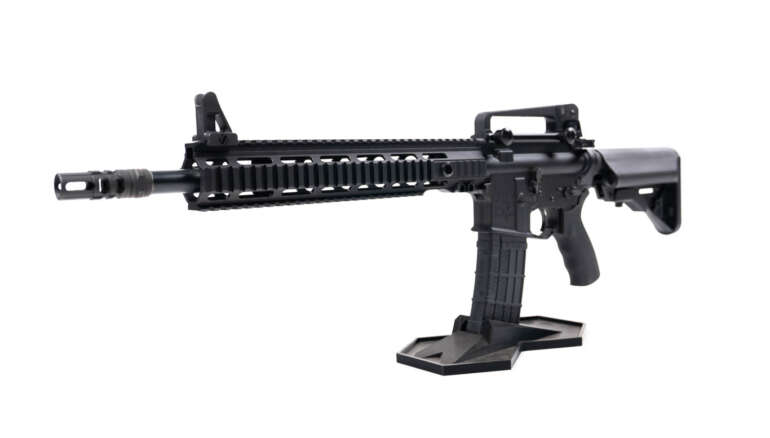

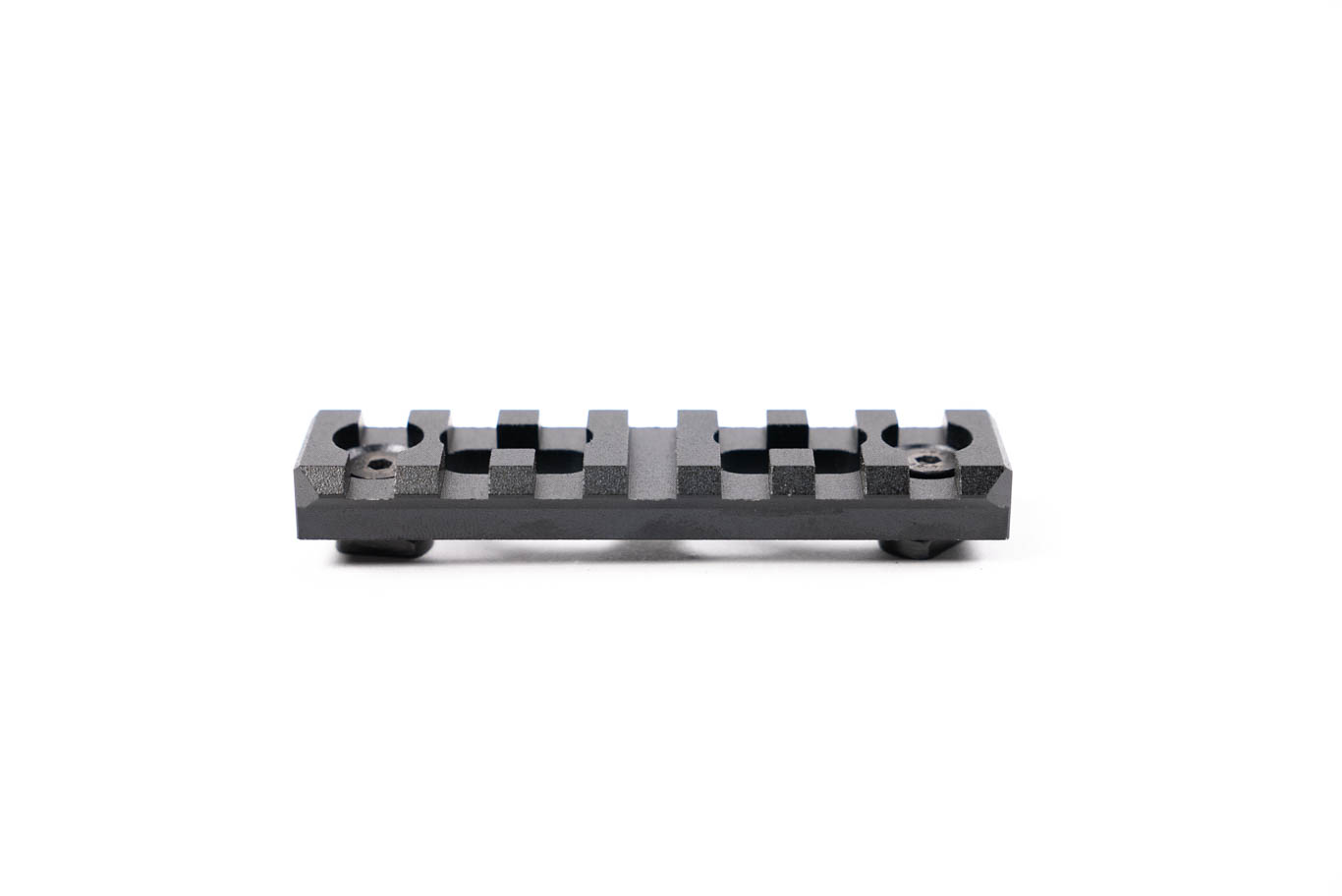
Gas blocks are often overlooked components, yet they fundamentally affect rifle reliability, accuracy, and function. Different gas block designs offer distinct advantages. Understanding these options enables selection of the optimal design for your specific application and requirements.
What Gas Blocks Do
Gas blocks capture high-pressure gas exiting the barrel and direct it through the gas tube toward the bolt carrier. This gas pressure cycles the action, operating the bolt and firing the next round. Proper gas system tuning ensures reliable function without excessive wear or over-gassing issues.
Low-Profile Gas Blocks
Design: Low-profile blocks minimize vertical height above the barrel, reducing sight obstruction. They mount to the barrel under handguards, removing them from visual interference with optics or iron sights.
Advantages: Optimal for rifles using free-float handguards where sight obstruction isn’t a concern. Minimal weight. Clean aesthetic appearance. Compatible with modern handguard systems.
Disadvantages: Lower profile creates fewer surface area contact points with the barrel, potentially allowing slight movement if not properly secured. Installation requires precision to prevent gas leakage.
Best for: Modern precision rifles with free-float handguards and optic systems where clean appearance and minimal weight are priorities.
Standard Elevation Gas Blocks
Design: Traditional tall gas blocks mount on top of the barrel, elevating the gas tube above the handguard. This tall profile was standard before modern handguard systems.
Advantages: More surface contact with the barrel provides rigidity and alignment precision. Easier to install and align correctly. Generous dimensions reduce risk of improper installation.
Disadvantages: Height above the barrel can obstruct sight pictures with certain optic heights. Less clean aesthetic with modern handguards. Adds slight weight.
Best for: Conventional rifles without free-float handguards or when simplicity and robustness are priorities over minimalism.
Adjustable Gas Blocks
How they work: Adjustable blocks feature a variable opening controlling gas flow. A selector or adjustment mechanism allows increasing or decreasing gas volume reaching the bolt carrier, enabling fine-tuning gas system function for specific ammunition and conditions.
Advantages: Optimization for specific ammunition types enables tailored gas system tuning. Adjustable blocks can significantly extend bolt and carrier life by preventing over-gassing. They also enable reliable function with varying ammunition power levels. Competitive shooters particularly value adjustability for optimizing function with match ammunition.
Disadvantages: Added complexity creates potential failure points. Adjustable blocks cost more than standard blocks. They require initial setup and periodic adjustment if ammunition changes. Some designs can shift, losing adjustment during firing.
Best for: Competitive shooters, precision rifle builders, and shooters planning extensive shooting with specific ammunition who want optimized performance. The extra cost is justified by performance optimization and component longevity benefits.
Pinned Gas Blocks
Design: Pinned blocks mechanically secure to the barrel through pins, preventing any movement or rotation. The gas port opening is fixed and cannot be adjusted.
Advantages: Absolute certainty that the block remains perfectly positioned regardless of conditions. Once installed correctly, pinned blocks cannot drift or require readjustment. Rugged design with no moving parts.
Disadvantages: Installation requires precision drilling if not factory-installed. Gas flow is fixed; no optimization for specific ammunition is possible. If the block proves incompatible with your specific ammunition, it cannot be adjusted.
Best for: Shooters comfortable with permanent installation, particularly when using factory-established gas system specifications. Fixed blocks are simpler and more rugged for users not needing adjustment capability.
Set-Screw vs Pinned Attachment
Set-screw attachment: Many gas blocks secure to barrels through set screws tightened against the barrel. Quality set-screw designs include positive stops and locating features ensuring proper positioning. Set-screw attachment is most common.
Pinned attachment: Mechanical pins prevent any movement. Pinned designs require precise installation but provide absolute immobility once properly installed.
Soldered attachment: Some premium blocks are soldered to barrels, creating permanently fixed union. This is permanent but ensures absolute stability.
Material Quality and Durability
Quality gas blocks are precision-machined from aluminum or steel. Material composition affects heat resistance and durability. Steel blocks handle higher heat better than aluminum, though modern aluminum blocks with proper heat treatment perform adequately.
Inspect surface finish quality. Rough or porous surfaces suggest inferior manufacturing. Quality blocks feature smooth, precisely finished surfaces indicating quality control.
Gas Block Sizing and Compatibility
Gas blocks must match barrel size and mounting system. Most modern AR-15 barrels are 0.750″ diameter, but some precision barrels are larger. Verify compatibility before purchasing. Additionally, some specific rail systems or handguard designs have clearance requirements. Verify compatibility with your specific handguard.
Installation Best Practices
Alignment: Proper alignment ensures gas flows directly into the gas tube without leakage. Many professionals use alignment tools to ensure perfect gas block positioning before final tightening.
Torque specifications: Follow manufacturer guidance on set-screw torque. Over-torquing can deform soft barrel material; under-torquing allows movement. Proper torque is critical.
Locating devices: Use gas block setscrews with proper locating features. Quality blocks include indexing to ensure correct positioning.
Gas System Tuning Principles
Proper gas system tuning is critical for reliable, durable operation. Under-gassing causes malfunctions. Over-gassing causes premature wear. Optimized tuning ensures reliable function with minimal component stress.
Adjustable blocks enable fine-tuning. Start on the rich side (excess gas) to ensure function, then progressively reduce gas until obtaining reliable function with minimal excess. This optimization extends component life significantly.
Practical Selection Recommendations
Budget builds: Standard pinned or set-screw blocks. Simple, effective, inexpensive.
Tactical rifles: Low-profile adjustable blocks. Optimized reliability with modern handguards.
Precision rifles: Premium adjustable blocks with quality mounting. Enables optimization for specific ammunition and conditions.
General purpose: Low-profile blocks matched to your specific ammunition. Balance of simplicity and modern aesthetics.
Conclusion: Overlooked but Crucial
Gas blocks deserve more attention than they often receive. Proper block selection and installation contribute meaningfully to rifle reliability and longevity. Whether choosing simplicity with standard blocks or optimization with adjustable designs, understanding gas block options enables informed decisions that improve overall rifle function. G2 Precision Firearms recognizes gas system optimization’s importance, incorporating high-quality blocks in their precision builds.