
Among the most effective accuracy upgrades for AR-15 rifles, free-floating the barrel ranks at the top. Yet many shooters misunderstand what free-floating means, how it improves accuracy, and why it matters. This confusion often stems from the technical nature of the upgrade. Understanding barrel dynamics and how contact affects accuracy illuminates why free-floating is such a powerful enhancement.
Understanding Barrel Harmonics and Whip
Rifle barrels are not rigid objects. When a bullet travels through a barrel, the barrel experiences vibration and oscillation. These vibrations create harmonic patterns in the barrel during and after bullet transit. The barrel literally bends and whips as it responds to the force of expanding gases behind the projectile.
This barrel whip is perfectly normal and unavoidable in any firearm. However, how the barrel vibrates dramatically affects where the bullet exits relative to the bore centerline. Projectiles exiting at different points in the barrel’s vibration cycle impact at different spots on target.
The goal of free-floating is to make barrel vibration consistent and repeatable, ensuring bullets exit at the same point in the vibration cycle every shot. This consistency translates directly to tight groups and improved accuracy.
How Handguard Contact Degrades Accuracy
Conventional AR-15 handguards typically contact the barrel. This contact point creates a pressure point that affects barrel harmonics. When the handguard touches the barrel, it dampens vibration at the contact point, altering the barrel’s harmonic pattern.
The problem is that contact pressure may vary between shots. Slight variations in how tightly you grip the handguard, environmental temperature changes affecting material expansion, or manufacturing tolerances create slight variations in contact pressure. These variations slightly alter barrel harmonics, resulting in shot-to-shot variation.
Additionally, if you grip the handguard while shooting, your grip pressure directly affects barrel vibration. Two shooters gripping the handguard differently will shoot different groups with the same rifle. This is unacceptable for precision shooting.
What Free-Floating Means
A free-floated barrel has absolutely no contact with the handguard except at the receiver interface. The barrel “floats” inside the handguard with gap all around. This gap ensures that handguard contact cannot affect barrel harmonics.
Free-floating doesn’t mean the barrel is unsupported. The barrel is firmly attached to the receiver at the barrel extension. The free-floating describes the relationship between the handguard and barrel, not between the barrel and receiver.
Free-Float Handguard Types
Rail systems: Modern AR-15 free-float handguards typically feature Picatinny rails for mounting optics, lights, and other accessories. Quality rail systems are manufactured to tight tolerances ensuring consistent float and eliminating barrel contact.
Monolithic designs: Single-piece free-float handguards eliminate internal seams where the barrel might contact. Monolithic handguards offer sleek appearance and enhanced rigidity.
Hybrid systems: Some handguards feature a floating section forward of the gas block with a non-floating rear. These offer some of free-floating’s benefits while maintaining conventional mounting.
Installation Considerations
Proper free-float installation is critical. The handguard must attach to the barrel extension nut and receiver without the barrel making contact with the inner handguard walls. This requires precision machining and proper assembly technique.
When installing a free-float handguard, ensure the barrel extension nut is torqued to specification—typically 40-80 foot-pounds depending on manufacturer guidance. Under-torquing can allow movement; over-torquing can cause deformation.
After installation, physically verify free-float by attempting to rotate the handguard. Minimal rotational play indicates proper installation. Excessive play suggests installation issues requiring correction.
Accuracy Improvements from Free-Floating
How much accuracy improvement does free-floating provide? This depends on your baseline setup. A rifle with poor ergonomics and sloppy handguard fit might see dramatic improvement—potentially tightening groups by 50% or more. A rifle with excellent ergonomics and precision components might see 10-20% improvement.
The key is that free-floating removes variables from your system, allowing inherent accuracy potential to manifest. You eliminate the variable of handguard contact, creating consistency that improves group size.
Complementary Accuracy Upgrades
Free-floating works best when combined with other accuracy-enhancing components. Match-grade barrels, quality bolts, precision triggers, and match ammunition complement free-floating. However, free-floating provides baseline accuracy enhancement that amplifies the benefits of all other upgrades.
Many precision shooters begin with free-floating as their first upgrade, then add progressively higher-quality components based on requirements. This approach maximizes value while building toward ultimate accuracy.
Benchrest and Competition Benefits
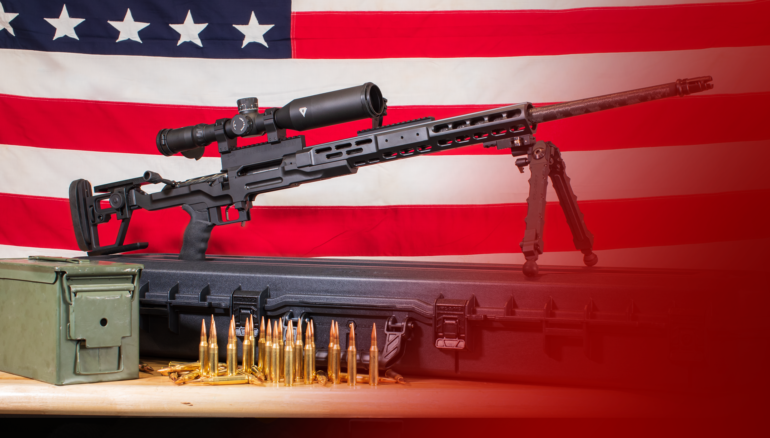
Benchrest competitors and F-Class shooters have embraced free-floating for decades. The accuracy benefits are undeniable in competitive environments where group size is the only metric. Virtually all precision rifles used in serious competition feature free-floated barrels.
Compatibility and Considerations
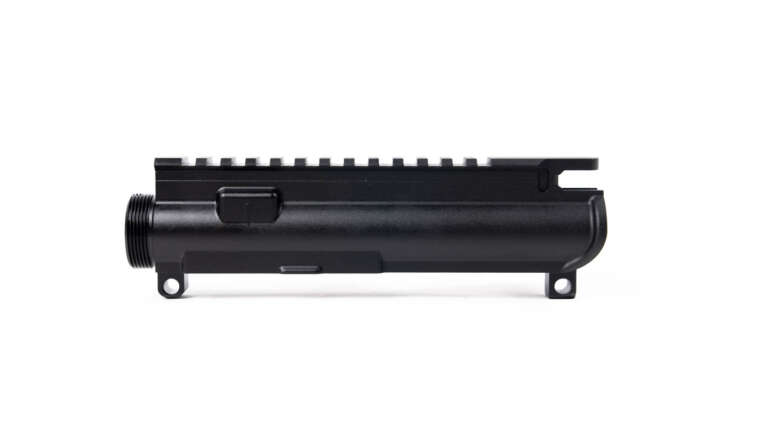
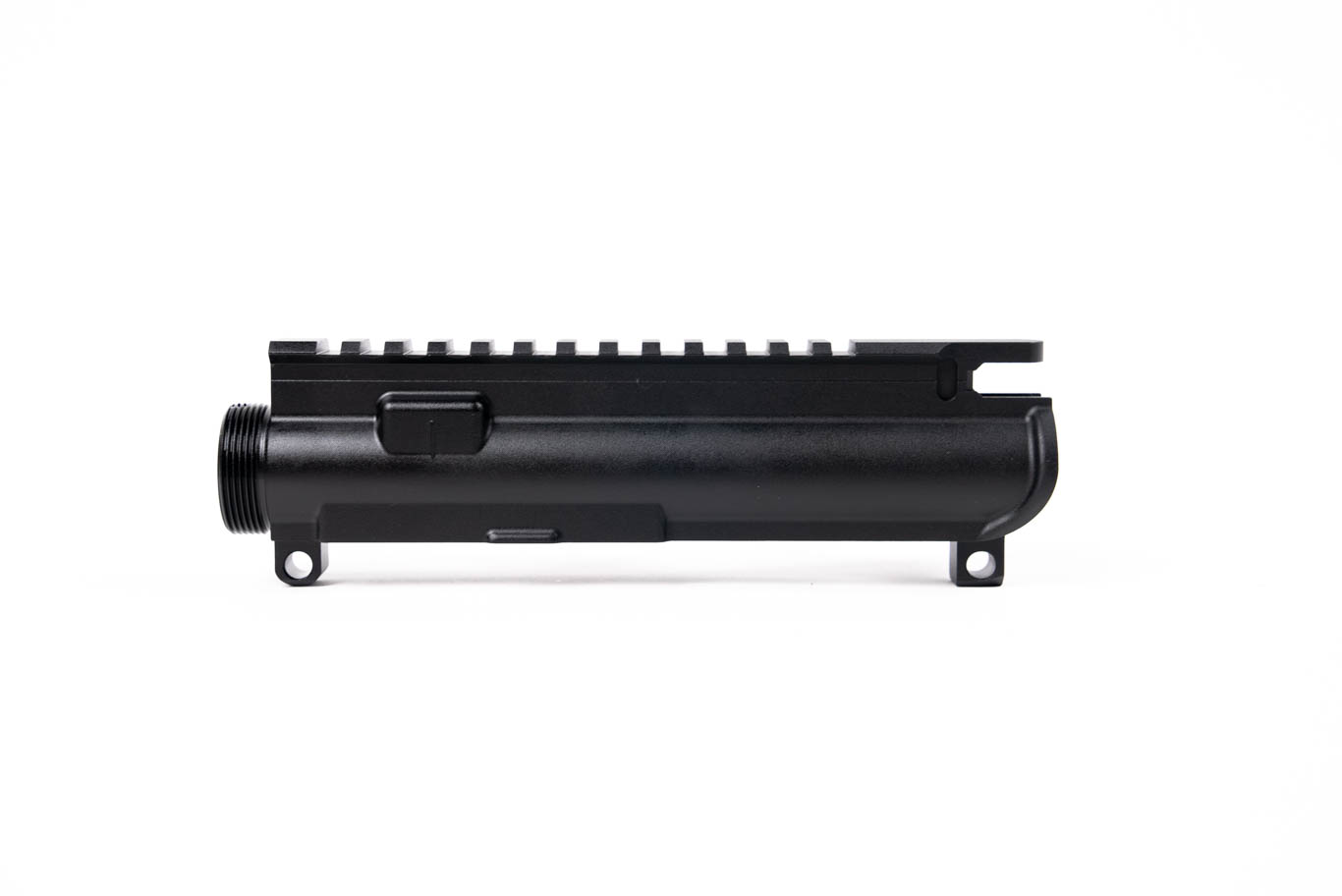
Free-floating requires use of a free-float handguard. You cannot free-float with conventional handguards that contact the barrel. Additionally, free-float handguards must properly mount to your receiver. Some older receivers may require modifications or adapters for free-float compatibility.
Modern receivers and free-float handguards are widely compatible. However, verify compatibility before purchasing.
Conclusion: A Fundamental Accuracy Enhancement
Free-floating represents one of the most effective accuracy improvements available for AR-15 rifles. By eliminating handguard-to-barrel contact, free-floating removes a significant source of shot-to-shot variation. Whether you’re building a precision rifle with G2 Precision Firearms or assembling your own platform, free-floating should be a primary consideration. The accuracy gains justify the modest additional cost and are fundamental to establishing a precision platform.